 +919311449825
24x7 Receptionist
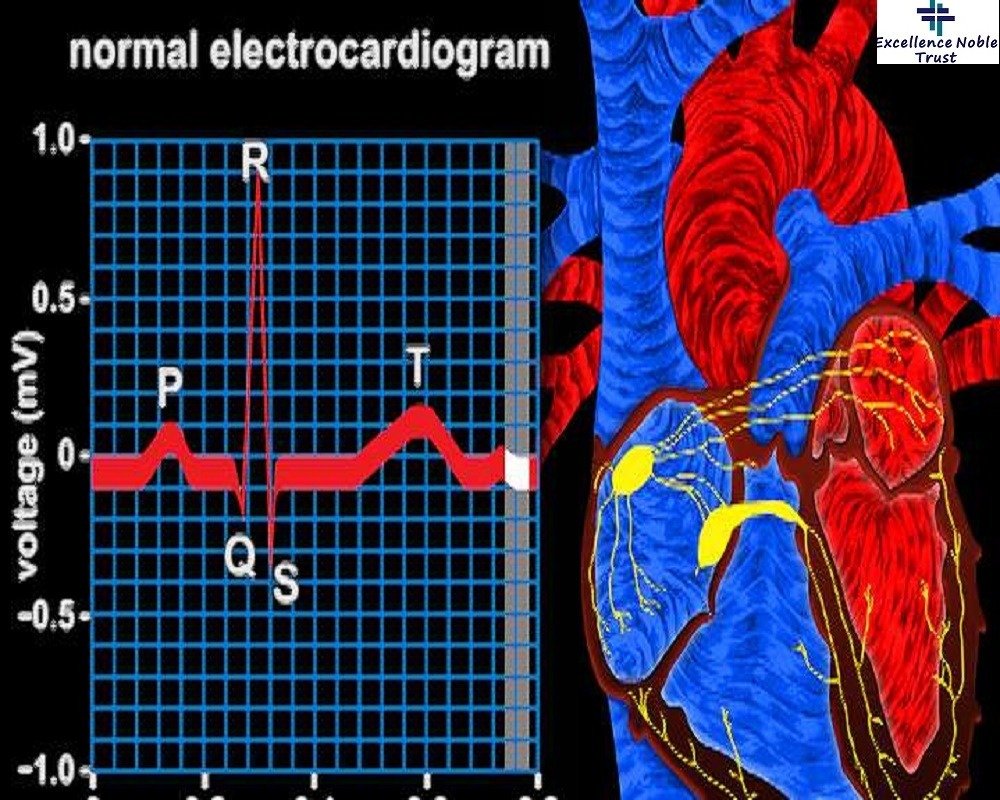
+919311449825An Electrocardiogram, commonly called ECG or EKG, is a simple and painless test that records the electrical activity of your heart. Every heartbeat is triggered by electrical signals, and an ECG captures these signals to show how well your heart is functioning. It helps doctors detect heart problems early, even before symptoms appear.
What is it used for?
ECG is used to identify irregular heart rhythms, heart attacks, and other heart-related conditions. Doctors may also use it to monitor the effectiveness of heart medications or devices such as pacemakers. In addition, it’s often a routine check-up tool for people with risk factors like high blood pressure, diabetes, or family history of heart disease.
Types of Heart Rhythm Devices
To monitor your heart over time, your doctor may suggest:
-
Holter Monitor: A portable ECG device worn for 24–48 hours to track heart rhythms continuously.
-
Cardiac Stress Test: Measures your heart’s response to physical activity using ECG while you walk or run on a treadmill.
-
Event Monitor: Similar to a Holter monitor but used for weeks to capture infrequent symptoms.
Why It's Done
An ECG is done to detect:
-
Heart rhythm problems (arrhythmias)
-
Past or ongoing heart attacks
-
Heart muscle enlargement
-
Effects of certain medications on the heart
-
Monitoring pacemakers or other heart devices
It’s a quick, non-invasive way to give your doctor a clear picture of your heart’s health.
How Does an ECG Test Work?
During an ECG, small sticky patches called electrodes are placed on your chest, arms, and legs. These electrodes detect electrical signals produced by your heart. The signals are recorded on paper or a digital monitor as waves. A doctor then interprets the pattern to identify any abnormalities in rhythm, heart rate, or conduction.
What Are the Risks of This Test?
ECG is extremely safe. There’s no radiation involved, and the test is painless. Some people may experience minor skin irritation from the electrodes. For tests like the cardiac stress test, slight dizziness or shortness of breath can occur, but these are usually temporary and closely monitored by medical staff.
Why Do I Need an EKG Test?
You may need an EKG if you experience:
-
Chest pain or pressure
-
Shortness of breath
-
Dizziness or fainting
-
Palpitations or irregular heartbeats
Even without symptoms, doctors may recommend an ECG as a preventive check if you have risk factors like high cholesterol, high blood pressure, obesity, or a family history of heart disease.
An Electrocardiogram (ECG/EKG) is a painless test that records your heart’s electrical activity. It detects irregular heart rhythms, heart attacks, and heart disease. Devices like Holter monitors and cardiac stress tests help track your heart over time. Safe and quick, ECGs are essential for early detection and monitoring of heart conditions, even in people without symptoms but with risk factors.
Fill Out The Form Details Given Below To Connect With Our ORL Hospital For General Enquiry, Sugggestions, Feedback And More...
Send Email On
drdhirendrasinghent@gmail.comOur Address
Plot No. 89, Pocket 1, Jasola Vihar, New Delhi, Delhi - 110025.Download Our Package
Fill This Enquiry Form


