 +919311449825
24x7 Receptionist
+919311449825Top Echocardiography Test Specialist in India - ORL International Hospital
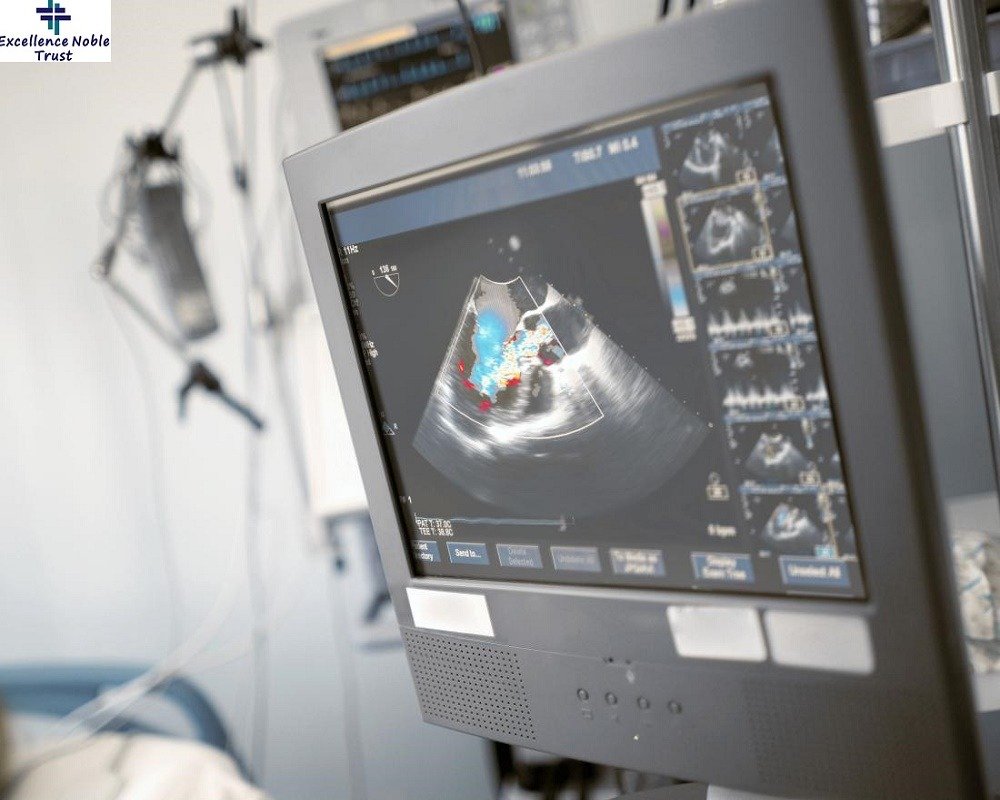
Echocardiography, commonly called an echo, is a non-invasive imaging test that uses sound waves to create detailed pictures of your heart. It helps doctors evaluate the size, shape, and function of your heart chambers, valves, and blood vessels. This test is safe, painless, and provides real-time information about your heart health.
What is echocardiography used for?
Echocardiography is used to diagnose and monitor a variety of heart conditions. It can detect heart valve problems, congenital heart defects, heart muscle damage, and fluid buildup around the heart. It’s often recommended for patients experiencing chest pain, shortness of breath, irregular heartbeat, or fatigue. Additionally, it helps track the progress of treatments like cervical disc replacement recovery if heart function is a concern during rehabilitation.
Types of echocardiography
There are several types of echocardiography depending on your condition:
-
Transthoracic Echocardiography (TTE): The most common type, where a device called a transducer is placed on the chest to capture images.
-
Transesophageal Echocardiography (TEE): The transducer is passed into the esophagus for clearer images, especially for patients with obesity or lung disease.
-
Stress Echocardiography: Combines heart imaging with exercise or medication to evaluate how your heart responds to stress.
-
Doppler Echocardiography: Measures the speed and direction of blood flow, helping detect valve leaks or blockages.
How does echocardiography work?
Echocardiography works using ultrasound waves. A handheld device (transducer) emits high-frequency sound waves that bounce off the heart structures. These echoes are converted into images on a screen. The procedure is non-invasive, painless, and takes about 30–60 minutes. No radiation is involved, making it safer than many other imaging tests.
What is the difference between ECG and echocardiography?
While ECG (Electrocardiogram) records the electrical activity of your heart, echocardiography provides visual images of its structure and blood flow. ECG is useful for detecting arrhythmias, whereas echo shows valve problems, heart chamber size, and muscle function. Both tests often complement each other to provide a complete picture of heart health.
When should I call my doctor?
Contact your doctor immediately if you experience severe chest pain, shortness of breath, dizziness, or swelling in your legs. Early diagnosis with echocardiography can prevent complications from conditions like heart valve disease, heart failure, or congenital defects. Even routine check-ups with an echocardiogram are recommended for adults over 40 or those with a family history of heart disease.
Schedule Your Echocardiography Today – Protect Your Heart Health!
Echocardiography is a safe, non-invasive heart imaging test that uses ultrasound to visualize heart structure and blood flow. It helps diagnose valve problems, heart defects, and heart function issues. Unlike ECG, it provides detailed visual information. Types include TTE, TEE, stress, and Doppler echo. Echocardiography is essential for early detection, monitoring treatment, and guiding decisions, especially for adults with heart disease risk factors.
Fill Out The Form Details Given Below To Connect With Our ORL Hospital For General Enquiry, Sugggestions, Feedback And More...
Send Email On
drdhirendrasinghent@gmail.comOur Address
Plot No. 89, Pocket 1, Jasola Vihar, New Delhi, Delhi - 110025.Download Our Package
Fill This Enquiry Form


